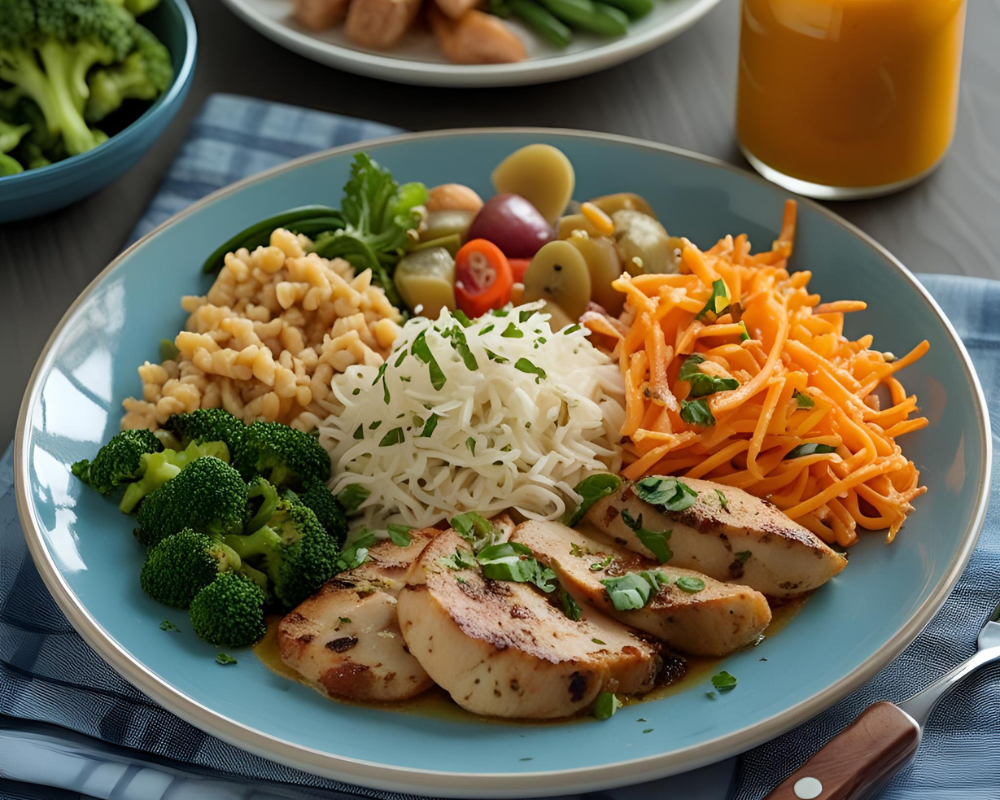
A diabetic meal plan doesn’t have to be restrictive. With a bit of planning and the right ingredients, every meal can be satisfying, nourishing, and supportive of your health goals. Start with this 7-day diabetic meal plan, and take it one bite at a time.
When we found out our mother is borderline type 2 diabetic and my other sister was flagged down by her physician to look out for her blood sugar levels, our whole household had to change. We used to eat without thinking about carbs, sugar, or portion sizes. For us, eating meant to make us full and satisfied.
But suddenly, we were scanning food labels, learning about the glycemic index, and figuring out how to make our favorite dishes into diabetic friendly meals. It was overwhelming at first, especially since we had no idea where to start. But that journey led us to something powerful: the importance of a good, simple diabetic meal plan.
If you’re in the same boat, just know that you’re not alone. Whether you’re newly diagnosed or supporting someone who is, this guide offers a 7-day diabetic meal plan for beginners that’s both practical and delicious.
What is a Diabetic Meal Plan?

Before we dive into the 7-Day Diabetic Meal Plan, let’s first learn more about it. A diabetic meal plan is a way of eating that helps manage blood sugar levels. It’s not about It’s not about giving up all your favorite foods but more about balance, balancing carbohydrates, fiber, healthy fats, and protein to keep your blood sugar steady.
The goal of any diabetic meal plan is to:
– Prevent spikes and crashes in blood sugar
– Support healthy weight management
– Improve energy levels
– Reduce risk of diabetic complications
A good plan doesn’t need to be complicated. In fact, a simple diabetic meal plan is often easier to stick to long term.
Benefits of a 7-Day Diabetic Meal Plan
Of course, the goal of starting with a 7-day diabetic meal plan is to manage our loved one’s blood sugar levels to improve their overall health. Starting a 7-day diabetic meal plan means you know what to eat, when to eat, and how much to eat. This is especially helpful if you’re just starting out with diabetes management.
Other benefits of a 7-day Diabetic Meal Plan include:
– Structured routine to avoid unhealthy choices
– Time-saving meal prep
– Cost-effective grocery shopping
– Better blood sugar control
7-Day Diabetic Meal Plan for Beginners
Now, let’s dive into the actual 7-day diabetic meal plan.
Each meal includes approximate nutrition facts and recommended serving sizes based on general guidelines for people with type 2 diabetes (1,500–1,800 calories/day). Always consult a healthcare provider for your personal needs.
Day 1- Diabetic Meal Plan for Beginners

Breakfast: Oatmeal with cinnamon and half a banana
Serving Size: ½ cup oats, ½ banana, sprinkle of cinnamon
Nutrition: ~200 calories, 30g carbs, 5g fiber
A warm bowl of oatmeal offers slow-digesting carbohydrates and soluble fiber that helps control blood sugar. Adding cinnamon may help improve insulin sensitivity. Bananas provide natural sweetness and potassium.
Lunch: Grilled chicken salad with olive oil vinaigrette
Serving Size: 4 oz chicken, 2 cups leafy greens, 1 tbsp olive oil
Nutrition: ~350 calories, 10g carbs, 25g protein
Grilled chicken is a lean source of protein, helping you feel full without spiking blood sugar. Leafy greens add fiber, and olive oil offers healthy fats that support heart health.
Dinner: Baked salmon with quinoa and steamed broccoli
Serving Size: 4 oz salmon, ½ cup quinoa, 1 cup broccoli
Nutrition: ~450 calories, 30g carbs, 30g protein
Salmon provides omega-3 fatty acids, which are great for heart health. Quinoa is a high-fiber grain alternative that helps stabilize blood sugar, and broccoli adds nutrients and fiber.
Snack: Handful of almonds
li
Serving Size: ¼ cup almonds
Nutrition: ~160 calories, 6g carbs, 14g fat
Almonds are a great source of healthy fats and protein, which help reduce blood sugar spikes between meals.
Day 2- Diabetic Meal Plan for Beginners

Breakfast: Scrambled eggs with spinach and whole-grain toast
Serving Size: 2 eggs, ½ cup spinach, 1 slice toast
Nutrition: ~280 calories, 18g carbs, 14g protein
Eggs provide high-quality protein while spinach delivers fiber and antioxidants. Whole-grain toast adds complex carbs that digest slowly.
Lunch: Turkey lettuce wraps with hummus
Portion: 4 oz turkey, 2 lettuce leaves, 2 tbsp hummus
Nutrition: ~250 calories, 10g carbs, 20g protein
These low-carb wraps are high in protein and fiber. Turkey is lean, and hummus adds plant-based protein and healthy fat.
Dinner: Stir-fried tofu with bell peppers and brown rice
Serving Size: ½ cup tofu, 1 cup veggies, ½ cup brown rice
Nutrition: ~400 calories, 35g carbs, 18g protein
Tofu is a plant-based protein with minimal carbs. Bell peppers are rich in vitamin C and fiber, while brown rice adds steady energy.
Snack: Greek yogurt (unsweetened)
Serving Size: ½ cup
Nutrition: ~100 calories, 5g carbs, 10g protein
Greek yogurt provides gut-friendly probiotics and protein with low carbs.
Day 3- Diabetic Meal Plan for Beginners

Breakfast: Chia pudding with almond milk and strawberries
Serving Size: 2 tbsp chia seeds, ½ cup almond milk, 3 strawberries
Nutrition: ~180 calories, 12g carbs, 8g fiber
Chia seeds offer fiber, omega-3s, and protein, which help slow sugar absorption. Strawberries add antioxidants and a low-glycemic sweetness.
Lunch: Lentil soup with whole-grain crackers
Serving Size: 1 cup soup, 4 crackers
Nutrition: ~300 calories, 30g carbs, 15g protein
Lentils are rich in protein and fiber. This combo keeps you full and supports stable blood sugar levels.
Dinner: Grilled tilapia with cauliflower mash and asparagus
Serving Size: 4 oz fish, ½ cup cauliflower mash, 1 cup asparagus
Nutrition: ~350 calories, 20g carbs, 28g protein
Tilapia is lean and low-carb, while cauliflower mash is a smart swap for potatoes. Asparagus adds fiber and essential vitamins.
Snack: Apple slices with peanut butter
Serving Size: ½ apple, 1 tbsp peanut butter
Nutrition: ~160 calories, 18g carbs, 4g protein
Apples offer fiber and a sweet crunch, while peanut butter adds healthy fat and protein.
Day 4- Diabetic Meal Plan for Beginners

Breakfast: Smoothie with kale, berries, flaxseed, and Greek yogurt
Serving Size: 1 cup kale, ½ cup berries, 1 tbsp flaxseed, ½ cup yogurt
Nutrition: ~250 calories, 20g carbs, 10g protein
A smoothie full of antioxidants, fiber, and protein. The flaxseed adds healthy omega-3s, and berries have a low glycemic index.
Lunch: Quinoa salad with chickpeas, cucumber, and lemon dressing
Serving Size: ½ cup quinoa, ½ cup chickpeas, ½ cup cucumber
Nutrition: ~350 calories, 35g carbs, 12g protein
This plant-based meal is rich in fiber and plant protein, helping you stay full while avoiding sugar spikes.
Dinner: Chicken stir-fry with green beans and wild rice
Serving Size: 4 oz chicken, 1 cup green beans, ½ cup wild rice
Nutrition: ~420 calories, 30g carbs, 30g protein
Lean chicken and fiber-rich beans create a balanced meal. Wild rice is a whole grain with a lower glycemic impact.
Snack: Carrot sticks with hummus
Serving Size: 1 cup carrots, 2 tbsp hummus
Nutrition: ~120 calories, 12g carbs, 4g protein
A crunchy, fiber-packed snack with a satisfying dip of protein-rich hummus.
Day 5- Diabetic Meal Plan for Beginners

Breakfast: Cottage cheese with sliced peaches
Serving Size: ½ cup cottage cheese, ½ peach
Nutrition: ~180 calories, 15g carbs, 14g protein
Cottage cheese is low in carbs and high in protein. Peaches add a natural sweetness and fiber.
Lunch: Zucchini noodles with marinara and turkey meatballs
Serving Size: 1 cup noodles, ½ cup sauce, 2 meatballs
Nutrition: ~350 calories, 20g carbs, 25g protein
A low-carb pasta alternative, zucchini noodles help manage blood sugar. Turkey meatballs provide lean protein.
Dinner: Baked cod with spinach and roasted sweet potatoes
Serving Size: 4 oz fish, 1 cup spinach, ½ cup sweet potato
Nutrition: ~400 calories, 25g carbs, 28g protein
Cod is light and low-fat. Sweet potatoes provide complex carbs and fiber, while spinach adds iron and folate.
Snack: Boiled egg
Portion: 1 egg
Nutrition: ~70 calories, 1g carbs, 6g protein
Eggs are a protein-rich, zero-carb snack that promotes fullness.
Day 6- Diabetic Meal Plan for Beginners

Breakfast: Whole wheat waffle with almond butter
Serving Size: 1 waffle, 1 tbsp almond butter
Nutrition: ~280 calories, 20g carbs, 10g protein
Whole wheat digest slowly, reducing blood sugar spikes. This is better than white bread. Almond butter adds healthy fats and protein.
Lunch: Tuna salad on mixed greens with olive oil
Serving Size: 4 oz tuna, 2 cups greens, 1 tbsp olive oil
Nutrition: ~350 calories, 8g carbs, 25g protein
Tuna is packed with protein and omega-3s. Mixed greens offer antioxidants and fiber.
Dinner: Turkey chili with beans (low-sodium)
Serving Size: 1 cup
Nutrition: ~400 calories, 35g carbs, 25g protein
Beans add fiber and slow-burning carbs. Turkey makes it lean, and the spices add flavor without sugar.
Snack: Small piece of dark chocolate
Portion: 1 square (about 10g)
Nutrition: ~60 calories, 5g carbs, 2g sugar
Dark chocolate contains less sugar and some antioxidants—great for occasional treats.
Day 7- Diabetic Meal Plan for Beginners

Breakfast: Avocado toast on whole-grain bread with poached egg
Serving Size: 1 slice bread, ¼ avocado, 1 egg
Nutrition: ~300 calories, 20g carbs, 10g protein
Avocado provides healthy fats that improve insulin sensitivity. Whole-grain bread and eggs round out the protein and fiber.
Lunch: Grilled chicken wrap with lettuce and tomato
Serving Size: 1 whole-wheat tortilla, 3 oz chicken, veggies
Nutrition: ~350 calories, 28g carbs, 25g protein
This high-protein, fiber-rich wrap keeps you full and energized without blood sugar spikes.
Dinner: Vegetable curry with lentils and brown rice
Serving Size: 1 cup curry, ½ cup rice
Nutrition: ~420 calories, 40g carbs, 15g protein
Lentils and veggies provide fiber and plant-based protein. Brown rice adds complex carbs to sustain energy.
Snack: Mixed nuts (unsalted)
Portion: ¼ cup
Nutrition: ~160 calories, 6g carbs, 14g fat
Nuts are low in carbs and high in healthy fats—great for blood sugar stability.
Diabetic Meal Plan for Beginners: Tips and Tricks
If you’re just starting out, this diabetic meal plan for beginners may feel like a big shift. But take it one meal at a time.
1. Meal Prep on Sundays
Batch cook brown rice, roasted veggies, and proteins.
2. Don’t Fear Carbs—Manage Them
Choose complex carbs like oats, quinoa, lentils, and sweet potatoes. They’re part of any balanced diabetic friendly meals.
3. Watch Portions
Even healthy food can cause spikes if eaten in large quantities. Use your hand as a guide: protein = palm, carbs = fist, fats = thumb.
4. Hydrate
Drink water throughout the day. Sometimes we mistake thirst for hunger.
Simple Diabetic Meal Plan Grocery List
Here’s a handy list to make shopping easier:
Proteins
– Chicken breast
– Salmon, tilapia, cod
– Tofu and lentils
– Eggs
– Low-sodium tuna
Carbohydrates (Complex)
– Brown rice
– Quinoa
– Oats
– Sweet potatoes
– Whole-grain bread/wraps
Healthy Fats
– Olive oil
– Avocado
– Almond butter
– Nuts and seeds
Vegetables
– Spinach, kale
– Broccoli, cauliflower
– Zucchini, bell peppers
– Tomatoes, cucumber
Fruits (Low GI)
– Berries
– Apples
– Peaches (in water)
– Bananas (in moderation)
Others
– Unsweetened almond milk
– Low-sodium beans
– Greek yogurt (unsweetened)
– Hummus
Is a Diabetic Meal Plan effective?
This Diabetic Meal Plan is effective, but it cannot cure Diabetes instantly or at all. The goal of this meal plan is to help manage and stabilized blood sugar levels. A long-term effect is possible and has been done, but it’s not instant and requires consistency following a good diet and proper execise.
This meal not only helps stabilize blood sugar but also a way for diabetic people to enjoy good food.
Frequently Asked Questions (FAQs): Diabetic Meal Plans
Can I follow this 7-day diabetic meal plan for longer than a week?
Yes! This plan is designed to be rotated or adapted. You can mix and match meals to avoid getting bored.
What if I’m vegetarian or vegan?
This diabetic meal plan has meat is not vegetarian/vegan-friendly, but you can always replace the meat in this meal plan with tofu, lentils, chickpeas, or tempeh. There are plenty of plant-based diabetic-friendly meals available for you to try.
Can diabetics eat rice and bread?
Yes, but choose whole-grain versions and watch your portion sizes. Pair them with protein and fiber. Avoid overly processed food product.
How often should I eat?
Many diabetics benefit from eating every 3–4 hours to maintain stable blood sugar. This plan supports that structure. But if your physician has a different schedule for you, follow that, as they have seen your body workup and have based their judgment on the results.
Is fruit okay in a diabetic meal plan?
Yes, fruits are okay especially whole food fruits. Avoid processed fruits that is often bought in groceries (frozen strawberries, mangoes, etc) as they contain other preservatives. If possible, but low-glycemic fruits like berries, apples, and peaches in their whole fruit form and always eat in moderation.